Built to Last: How Modern Dental Crowns Restore Strength, Function, and Confidence

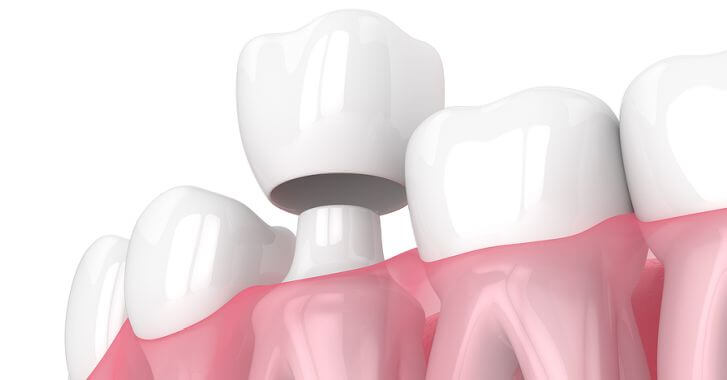
A dental crown is a protective cap placed over a damaged or weakened tooth. It restores strength, shape, and function while protecting the tooth from further damage. Crowns are commonly used after decay, fractures, root canal treatment, or severe wear.
Crowns do more than cover a tooth. When properly designed and fitted, they help distribute bite forces evenly, protect surrounding teeth, and allow normal chewing without pain or instability.
How Common Are Dental Crowns?
Dental crowns are one of the most frequently performed restorative procedures. According to dental industry data, more than 15 million crowns are placed each year in the United States. Their popularity reflects both their durability and their versatility.
Crowns are used in general dentistry, cosmetic dentistry, and restorative care. Advances in materials and digital design have significantly improved their longevity and appearance.
Situations Where a Crown Is Recommended
Crowns are not used for minor issues. They are typically recommended when a tooth cannot be safely restored with a filling alone.
Common reasons include:
- Large cavities that weaken the tooth
- Cracked or fractured teeth
- Teeth after root canal therapy
- Severe enamel wear
- Supporting dental bridges
In these cases, a crown helps prevent tooth loss and future complications.
The Materials Used in Modern Crowns
Dental crowns can be made from several materials, each with unique advantages. These include porcelain-fused-to-metal, full porcelain, gold alloys, and zirconia.
Zirconia crowns have become especially popular due to their strength and aesthetics. They are resistant to fractures and suitable for both front and back teeth.
Understanding Monolithic Zirconia
Monolithic zirconia crowns are made from a single block of zirconia rather than layered materials. This design eliminates weak points and increases durability under heavy bite forces.
Modern zirconia is far different from earlier versions. Improvements in manufacturing allow for enhanced esthetics without sacrificing strength.
Monolithic Zirconia Translucency Grades Explained
Not all zirconia looks the same. Monolithic zirconia translucency grades determine how much light passes through the crown, affecting how natural it appears.
Higher translucency grades mimic natural enamel and are often used for front teeth. Lower translucency grades prioritize strength and are ideal for molars that handle heavy chewing forces.
Matching Strength with Appearance
Choosing the right translucency grade is a balance between beauty and function. A crown that looks great but cannot handle bite pressure may fail prematurely.
Dentists select materials based on tooth location, bite force, and cosmetic goals. This individualized approach improves both longevity and patient satisfaction.
The Crown Preparation Process
Preparing a tooth for a crown involves reshaping it to create space for the restoration. This ensures the crown fits securely without altering the bite.
Digital scanning has replaced traditional impressions in many practices. These scans improve accuracy and allow crowns to be designed with exceptional precision.

Causes and Relief for Temporary Crown Pain
Experiencing temporary crown pain can be frustrating, especially after undergoing a dental procedure. While temporary crowns are essential for protecting your t...Read More
Why Fit and Bite Matter So Much
A crown must align perfectly with surrounding teeth and the opposing bite. Even small discrepancies can cause discomfort or long-term problems.
This is where bite adjustment high-spot mapping becomes critical. Dentists carefully identify and adjust areas where the crown contacts too early or too forcefully.
Bite Adjustment High-Spot Mapping
High-spot mapping uses marking tools and patient feedback to detect uneven contact points. These areas are adjusted to ensure balanced chewing forces. Proper bite adjustment prevents jaw pain, headaches, tooth sensitivity, and crown fractures. It also protects natural teeth from excessive wear.
What Happens After Crown Placement
After placement, patients may notice mild sensitivity that usually resolves within days. Once the bite settles, the crown should feel like a natural tooth.
Patients are encouraged to chew normally and report any discomfort. Early adjustments ensure long-term comfort and function.
With proper care, dental crowns can last 10 to 15 years or longer. Some crowns function well for decades, especially when oral hygiene is maintained. Longevity depends on material choice, bite forces, grinding habits, and regular dental checkups. Crowns are durable, but not indestructible.
Caring for a Dental Crown
Crowns require the same care as natural teeth. Daily brushing, flossing, and routine dental visits are essential.
Helpful habits include:
- Avoiding chewing ice or hard objects
- Wearing a night guard if you grind your teeth
- Keeping gums healthy around the crown
Good care protects both the crown and the tooth underneath.
Crowns and Overall Oral Health
A well-designed crown supports overall oral health. It stabilizes the bite, prevents tooth shifting, and protects vulnerable teeth from further damage.
When crowns are planned properly, they integrate seamlessly into the smile. Patients often forget which tooth has the crown once healing is complete.
Advances That Improved Crown Outcomes
Digital dentistry, improved ceramics, and precision bite analysis have transformed crown success rates. Modern crowns fit better, look more natural, and last longer than ever before. These advances reduce chair time, minimize adjustments, and improve patient comfort throughout the process.
When to Replace an Old Crown
Crowns may need replacement if they crack, loosen, or no longer seal properly. Gum recession or decay beneath the crown can also require replacement. Regular dental exams help detect issues early. Addressing problems promptly prevents damage to the underlying tooth.

A Proven, Reliable Restoration
Dental crowns remain one of the most reliable restorations in dentistry. Their ability to restore strength, function, and appearance makes them a cornerstone of long-term dental care.
With thoughtful material selection, proper fit, and precise techniques like monolithic zirconia translucency grades and bite adjustment high-spot mapping, crowns can deliver predictable, lasting results.
The information provided on this website, including text, graphics, images, and other materials, is intended solely for informational purposes and should not be used as a substitute for professional medical advice, diagnosis, or treatment.


)