Oral Microbiome: What Mouth Bacteria Mean for Cavity Risk

The oral microbiome is the mix of bacteria and other microbes that live on your teeth, gums, tongue, and saliva. These microbes affect plaque, acid production, breath, gum comfort, and the way your mouth responds to daily habits.
A healthy mouth still contains bacteria. Problems start when plaque, diet, dry mouth, or poor cleaning habits allow cavity-linked bacteria to become more active and stay on the teeth longer.
What Is the Oral Microbiome?
The oral microbiome changes throughout the day. Meals, drinks, saliva flow, brushing, flossing, fluoride, dental cleanings, medications, and health conditions can all affect the balance of bacteria in your mouth.
That balance affects cavity risk because teeth are exposed to bacteria and acids many times a day. Heavy plaque buildup gives acid-producing bacteria more places to grow, feed, and stay in contact with enamel.
A balanced mouth also recovers better between meals. Saliva helps dilute acids, move food particles away from the teeth, and support the minerals that keep enamel strong.
How Mouth Bacteria Lead to Cavities
Cavities develop when bacteria in plaque feed on sugars and starches. As they break down those carbohydrates, they produce acids that lower the pH around the teeth.
Repeated acid attacks weaken enamel. Over time, minerals leave the tooth surface faster than they’re replaced. Early damage may show up as white spots, sensitivity, or rough enamel before a visible cavity forms.
The oral microbiome affects this process because cavity risk depends on which bacteria are active, how often the mouth stays acidic, and how well the teeth recover between acid exposures.
This is why cavity risk can look different from person to person. Two people may eat similar foods, but saliva flow, enamel strength, medication use, dental history, and plaque levels can change how their teeth respond.
Streptococcus Mutans Dominance Triggers
Streptococcus mutans is one of the best-known bacteria linked to tooth decay. It sticks to teeth, lives in plaque, feeds on sugars, and helps create the acidic conditions that weaken enamel.
Streptococcus mutans dominance triggers are habits or conditions that help this bacterium become a larger part of the plaque environment. When that happens, the mouth becomes better suited for acid production and enamel breakdown.
Common triggers include frequent sugar exposure, sticky plaque buildup, dry mouth, frequent snacking, sipping sweet drinks, and long gaps between dental cleanings.
A healthier oral microbiome gives cavity-causing bacteria fewer chances to build acid, weaken enamel, and take over plaque.
Streptococcus mutans doesn’t act alone. Other acid-producing and acid-tolerant bacteria can also play a role in cavities. Still, watching the conditions that feed this bacteria gives patients a practical way to understand cavity risk.

Why Your Teeth Hurt: Understanding Teeth Sensitivity and How to Fix It
Teeth sensitivity can turn simple moments into discomfort. A sip of cold water or a bite of something sweet may trigger a sharp, sudden pain. While common, this...Read More
Probiotic Strains for Caries Control
Probiotic strains for caries control get attention because certain strains have been studied for their effect on the oral bacterial balance. The goal is to support a mouth environment that makes it harder for cavity-linked bacteria to dominate plaque.
Strain choice is important, too. A general probiotic label doesn’t automatically mean the product has dental benefits. Researchers have studied strains such as Lactobacillus rhamnosus, Lactobacillus paracasei, and Bifidobacterium lactis for their relationship to cavity-associated bacteria.
Probiotics work best as part of a prevention plan. They can support a conversation about bacterial balance, but they don’t replace dental exams, cavity treatment, or the daily care needed to keep plaque under control.
If you’re interested in probiotic strains for caries control, ask a dentist which products have oral-health research behind them and whether they fit your cavity history.
A dentist can also help you avoid treating probiotics like a shortcut, when the better question is how a probiotic fits with your diet timing, dry mouth risk, past cavities, and current prevention plan.
Daily Habits That Support a Healthier Oral Microbiome
The oral microbiome responds to everyday behavior. Small habits repeated consistently usually affect cavity risk more than one isolated dessert or missed brushing session.
Helpful habits include:
- Brushing twice a day with fluoride toothpaste
- Cleaning between teeth every day
- Drinking water after meals and snacks
- Limiting frequent sugary drinks
- Avoiding constant snacking
- Talking with a dentist about dry mouth
- Keeping regular dental checkups
People who keep getting cavities may need a closer look at the pattern behind them. A dentist can check whether the issue involves saliva flow, exposed roots, worn dental work, diet habits, enamel weakness, or plaque that’s hard to remove at home.
Comparing Dental Providers for Oral Microbiome Concerns
When comparing dental providers, look for offices that explain prevention clearly. A good dental visit should help you understand why cavities are forming and what can be changed before the next one appears.
Ask how the dentist evaluates cavity risk, dry mouth, enamel changes, plaque buildup, and bacteria-related concerns. If you’re curious about probiotics, ask whether specific strains have enough oral-health research to be worth discussing.
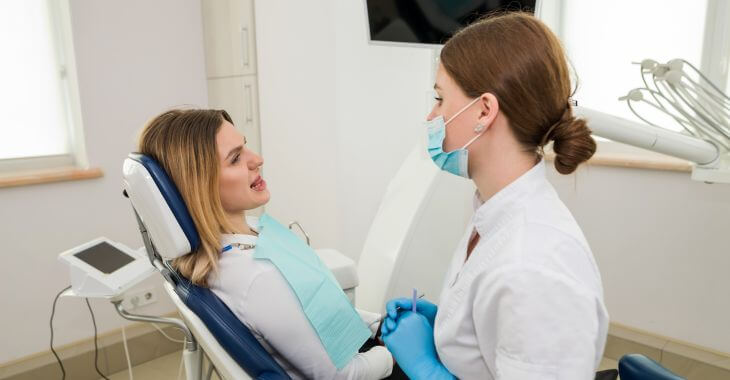
The oral microbiome gives dentists another way to talk about cavity prevention. It connects bacteria, saliva, diet, dental history, and daily care into one clearer picture.
To compare local dentists, review provider listings, and look for offices that explain cavity prevention, dry mouth, bacteria balance, and long-term dental care in practical terms.
The information provided on this website, including text, graphics, images, and other materials, is intended solely for informational purposes and should not be used as a substitute for professional medical advice, diagnosis, or treatment.
)