When Your Smile Starts to Fade: Understanding Enamel Erosion and How to Stop It

If your smile is changing, it may be due to thinning enamel. Enamel erosion is a gradual process that affects the outer layer of your teeth. This protective surface is the hardest substance in the body, yet it can still wear down over time. Once enamel is lost, it does not grow back.
Many people do not notice enamel erosion in its early stages. The changes are subtle at first, but they build over time. Increased sensitivity, dullness, and slight transparency at the edges of teeth are often early warning signs.
What Causes Enamel Erosion?
The main cause of enamel erosion is acid exposure. This can come from both diet and internal sources like acid reflux. When acids repeatedly contact the teeth, they begin to dissolve the enamel surface.
A key factor is the acidic drink frequency threshold. This refers to how often you consume acidic beverages like soda, sports drinks, or citrus juices. Frequent exposure, even in small amounts, can significantly increase enamel wear.
Common Sources of Acid Exposure
Acid isn’t always obvious. Many everyday foods and drinks contribute to enamel erosion without people realizing it. Even “healthy” options can play a role if consumed often enough. Common contributors include:
- Soft drinks and energy drinks
- Citrus fruits and juices
- Wine and flavored sparkling water
- Vinegar-based foods and dressings
- Sports and electrolyte drinks
Individuals who consume acidic drinks multiple times a day are at a higher risk for enamel erosion. Crossing the acidic drink frequency threshold increases the chance of enamel softening and long-term damage to your teeth.
The Role of Saliva in Protecting Teeth
Saliva plays a crucial role in defending against enamel erosion. It helps neutralize acids and supports the natural repair process by supplying minerals back to the teeth.
However, there are saliva buffering capacity limits. This means saliva can only neutralize a certain amount of acid at a time. When acid exposure is too frequent, saliva doesn’t have enough time to restore balance.
This is why sipping acidic drinks throughout the day can be more harmful than consuming them all at once. The teeth remain in an acidic environment for longer periods, increasing the risk of damage.
Early Signs You Shouldn’t Ignore
Enamel erosion does not happen overnight. It develops slowly, which makes it easy to overlook. Recognizing early symptoms can help prevent more serious issues later. Signs to watch out for include:
- Increased tooth sensitivity to hot or cold
- Smooth, shiny, or worn tooth surfaces
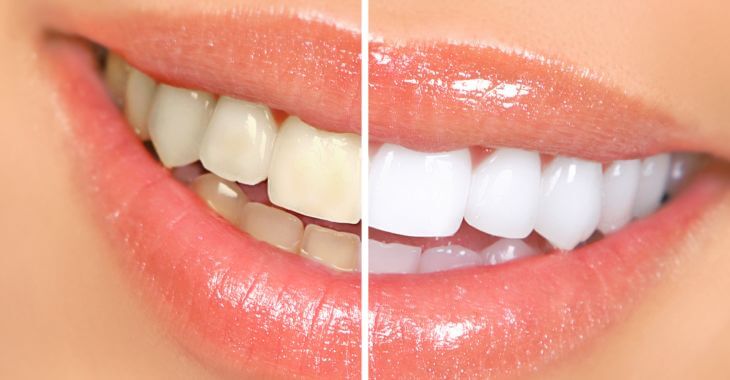
- Yellowing as underlying dentin becomes visible
- Small cracks or rough edges
- Rounded or softened tooth shapes
According to dental research, it is estimated that nearly 30% of adults show signs of moderate enamel wear. This highlights how common enamel erosion has become, especially with modern diets.

Why Your Teeth Hurt: Understanding Teeth Sensitivity and How to Fix It
Teeth sensitivity can turn simple moments into discomfort. A sip of cold water or a bite of something sweet may trigger a sharp, sudden pain. While common, this...Read More
Why Modern Diets Increase Risk
Today’s eating habits play a major role in rising enamel erosion rates. Frequent snacking and beverage consumption expose teeth to repeated acid attacks throughout the day.
Instead of allowing saliva time to recover, constant intake exceeds the saliva buffering capacity. This creates a cycle where enamel is continuously softened and weakened.
Practical Ways to Protect Your Enamel
Preventing enamel erosion is largely about reducing acid exposure and supporting your body’s natural defenses. Small changes can make a big difference over time. Consider these strategies:
- Limit how often you consume acidic drinks
- Use a straw to reduce contact with teeth
- Rinse your mouth with water after acidic foods
- Wait at least 30 minutes before brushing after acid exposure
- Choose water or milk as primary beverages
Spacing out acidic intake helps you stay below the acidic drink frequency threshold. This gives saliva time to do its job effectively.
Strengthening Your Daily Routine
Oral hygiene habits also play a role in managing enamel erosion. Using the right products and techniques can help protect weakened enamel. Helpful oral care habits include:
- Brushing with a soft-bristled toothbrush
- Using fluoride toothpaste to support remineralization
- Avoiding aggressive brushing techniques
- Staying hydrated to support saliva production
Fluoride is especially important because it helps strengthen enamel and makes it more resistant to acid. Regular dental checkups also allow early detection of enamel erosion.
When to Seek Professional Advice
If you notice ongoing sensitivity or visible changes in your teeth, it is important to consult a dental professional. Early intervention can prevent further damage and preserve your natural tooth structure.
Dentists can assess the extent of enamel erosion and recommend treatments such as fluoride applications or protective coatings. In more advanced cases, restorative options may be needed.
Long-Term Impact of Enamel Loss
Enamel erosion doesn’t just affect appearance. It can lead to more serious dental issues if left untreated. As enamel thins, teeth become more vulnerable to decay, fractures, and sensitivity discomfort.
Over time, untreated erosion may require more extensive dental work. Addressing the issue early is the most effective way to avoid complex and costly treatments later.
Protecting Your Smile for the Future
Enamel erosion is common, but it’s also preventable with the right awareness and habits. Understanding factors like acidic drink frequency threshold and saliva buffering capacity limits can help you make better daily choices.

By reducing acid exposure and supporting your body’s natural defenses, you can protect your teeth and maintain a healthy smile. Consistency matters, and small adjustments today can lead to lasting benefits.
The information provided on this website, including text, graphics, images, and other materials, is intended solely for informational purposes and should not be used as a substitute for professional medical advice, diagnosis, or treatment.


)