Breaking the Cycle of Dental Anxiety: Overcoming Fear and Finding Comfort in the Chair

Dental anxiety affects millions of people and can quietly sabotage long-term oral health. Many adults delay checkups, cancel appointments, or avoid treatment entirely because of fear. Understanding dental anxiety and its triggers is the first step toward regaining control.
Studies estimate that up to 36% of adults experience dental anxiety, while roughly 12% have extreme dental phobia. These fears can begin in childhood and persist into adulthood. Without intervention, avoidance patterns often worsen, leading to more complex dental issues.
Dental anxiety isn’t simply nervousness—it can cause physical symptoms and emotional distress. People may feel dread days before a visit or panic in the waiting room. This reaction activates the body’s stress response and can make routine care feel overwhelming.
What Causes Dental Anxiety?
Dental anxiety often develops from past experiences, but it can also stem from personality traits or sensory sensitivities. Fear may be tied to pain expectations or loss of control. Identifying the root cause helps patients and providers create a more supportive plan.
Common triggers include:
- Negative childhood dental experiences
- Fear of pain or injections
- Sensitivity to sounds or smells
- Embarrassment about oral health
- Loss of control while reclining
For some individuals, even the clinical environment can feel intimidating. Bright lights, unfamiliar tools, and mechanical sounds may amplify stress. These sensory factors can intensify dental anxiety even when no pain is involved.
The Physiological Side of Fear
Dental anxiety is closely tied to the body’s fight-or-flight response. When fear kicks in, the nervous system releases adrenaline and cortisol. This can cause sweating, muscle tension, or dizziness during an appointment.
Researchers have identified heart rate spike predictors in chair settings, including prior traumatic dental memories and generalized anxiety disorders. Elevated baseline blood pressure is another indicator. These responses can make dental visits physically exhausting.
When the heart rate rises rapidly, patients may feel panic or shortness of breath. This reaction can occur even before treatment begins. Understanding heart rate spike predictors in chair environments helps clinicians adjust pacing and comfort measures.
How Avoidance Impacts Oral Health
Avoiding dental visits due to dental anxiety can lead to a cascade of oral health problems. Small issues that could be treated early may become more serious. Delayed care often results in longer and more invasive procedures later.
For example, untreated cavities can progress into infections or abscesses. Gum disease may advance silently without regular cleanings. These outcomes reinforce fear, creating a cycle that becomes harder to break over time.
The financial impact is also significant. Preventive visits are far less costly than restorative treatments. Addressing dental anxiety early can reduce both emotional and economic stress for patients.
Signs You May Have Dental Anxiety
Many people underestimate the severity of their fear until it disrupts care. Recognizing symptoms can help individuals seek solutions sooner. Dental anxiety often shows up in both emotional and physical ways.
Possible warning signs include:
- Trouble sleeping before appointments
- Racing thoughts about procedures
- Rapid heartbeat in the dental chair
- Feeling nauseous or dizzy
- Canceling or postponing visits
If these symptoms sound familiar, you are not alone. Dental anxiety is highly treatable with the right approach. Awareness is the first step toward building a more positive dental experience.
Comfort Strategies That Make a Difference
Modern dentistry has evolved to address dental anxiety with patient-centered care models. Many practices now emphasize communication and pacing. Small adjustments can dramatically reduce fear during visits.
Helpful techniques include:
- Noise-canceling headphones or music
- Guided breathing exercises
- Step-by-step explanations
- Hand signals to pause treatment
- Weighted blankets for comfort
These methods empower patients and restore a sense of control. Even simple accommodations can lower stress levels significantly. The goal is to create a calm, predictable environment.
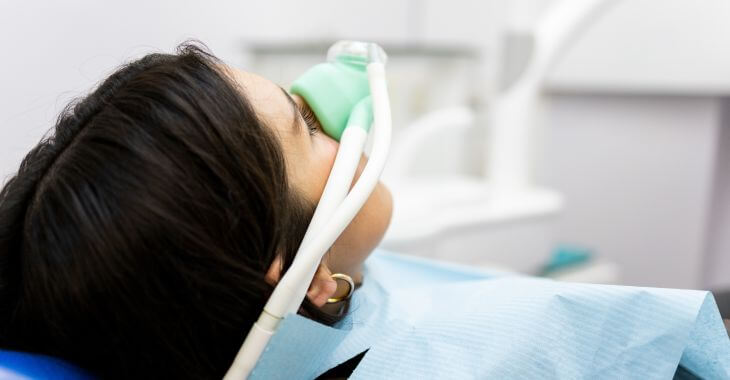
Sedation Dentistry: Options, Types, and What to Expect for a Relaxed Dental Experience
For many patients, a trip to the dentist can cause real anxiety. Whether it’s a fear of needles, sensitive teeth, or a bad past experience, dental anxiety is ...Read More
Sedation Options Explained
Sedation dentistry is a powerful tool for managing dental anxiety. It allows patients to relax while still receiving necessary care. The type of sedation used depends on anxiety levels and treatment complexity.
A common question involves nitrous vs oral sedation onset speed. Nitrous oxide works within minutes and wears off quickly. Oral sedatives take longer to activate but provide deeper relaxation for extended procedures.
Understanding nitrous vs oral sedation onset speed helps patients choose the right option. Nitrous is ideal for mild to moderate anxiety and same-day recovery. Oral sedation may be better for longer treatments or higher fear levels.
Building Trust With Your Dentist
Trust plays a central role in overcoming dental anxiety. A compassionate provider will take time to listen and validate concerns. Open communication helps patients feel heard rather than judged.
Many dentists now offer anxiety consultations before treatment begins. These visits focus solely on discussion and planning. This approach builds familiarity and reduces fear of the unknown.
Patients should feel comfortable asking questions about tools, timing, and comfort options. Transparency reduces uncertainty and builds confidence. Over time, trust can replace fear with reassurance.
The Role of Technology in Reducing Fear
Advancements in dental technology are making care more comfortable than ever. Modern tools are designed to minimize discomfort and speed up treatment. These innovations help reduce dental anxiety for many patients.
Examples of anxiety-reducing technologies include:
- Digital X-rays with lower radiation
- Laser dentistry with minimal noise
- 3-D imaging replacing messy molds
- Computer-guided anesthesia systems
Shorter treatment times also improve patient comfort. When procedures are faster and less invasive, stress naturally declines. Technology continues to transform the patient experience.
Tips for Managing Anxiety Before Your Visit
Preparing ahead of time can make a major difference in reducing dental anxiety. Small habits can help regulate the nervous system. A calm mindset before arrival sets the tone for the appointment.
Consider these preparation tips:
- Schedule morning appointments
- Avoid caffeine beforehand
- Practice deep breathing techniques
- Bring a support person
- Use relaxation apps or music
These strategies help reduce anticipatory stress. By lowering anxiety before stepping into the office, patients often feel more in control. Preparation can reshape the entire dental experience.
Breaking the Fear Cycle for Good
Overcoming dental anxiety is a gradual process, not an overnight fix. Each positive visit builds confidence and resilience. Even small wins can shift long-standing patterns of avoidance.
Patients who address dental anxiety early often report better oral health and improved quality of life. Regular visits become less intimidating over time. With the right support, fear can give way to empowerment.
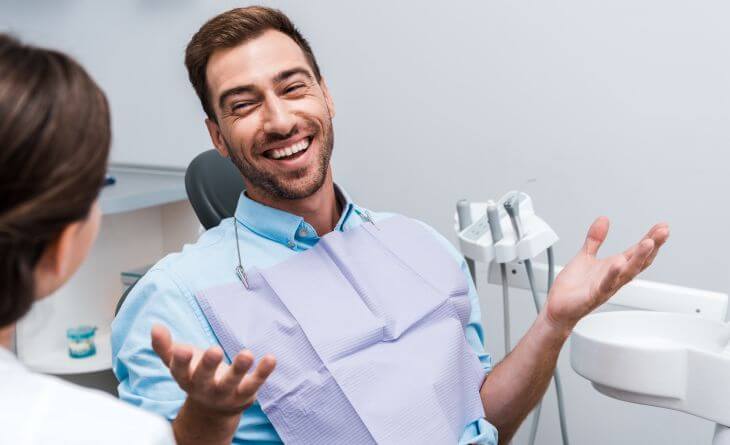
The key is taking the first step, whether that means scheduling a consultation or discussing concerns openly. Modern dentistry offers countless tools to help patients feel safe and supported. A healthier, calmer dental future is possible.
The information provided on this website, including text, graphics, images, and other materials, is intended solely for informational purposes and should not be used as a substitute for professional medical advice, diagnosis, or treatment.



)