Composite Fillings: A Modern, Natural-Looking Solution for Tooth Repair

Composite fillings have become one of the most widely used methods for restoring decayed or damaged teeth. Their tooth-colored appearance, strong bond, and long-term durability make them an excellent choice for patients who want both function and aesthetics.
With advances in dental materials, today’s composite resins offer impressive strength and stability, making them a preferred option over traditional metal fillings for many dentists and patients.
Why Composite Fillings Are So Popular
Composite materials blend seamlessly with natural enamel. This color-matching advantage allows restorations to remain virtually invisible when you talk or smile. Patients appreciate that composite fillings require less removal of natural tooth structure during placement compared with older methods.
Composite fillings bond directly to the tooth surface. This bonding reduces the risk of leakage and improves overall tooth strength. Because the material is applied in layers and cured with light, the dentist can sculpt a precise shape that looks natural and feels comfortable.
Composite restorations are especially helpful for front teeth or visible areas of the mouth. The filling blends into the surrounding enamel and maintains its color, which makes it ideal for cosmetic as well as functional repairs.
Advances in Composite Material Technology
Over time, composite materials have evolved significantly. Dentists now use advanced formulas that resist wear and shrinkage better than earlier generations. These improvements lead to longer-lasting restorations and more predictable outcomes for patients of all ages.
A key advancement involves choosing between nano-hybrid vs microfill wear patterns. Nano-hybrid composites include tiny particles designed to create strength and polish-ability. They hold up well in chewing areas where forces are stronger.
Microfill composites have smaller particle sizes that maintain a very smooth surface. They are excellent for front teeth, where finishing and shine matter most. When comparing nano-hybrid vs microfill wear patterns, nano-hybrids often outperform in durability while microfills excel in a lifelike finish.
How Composite Fillings Benefit Oral Health
Composite fillings do more than repair decay—they help preserve the surrounding tooth and prevent future problems. Because the material bonds tightly to enamel, it reduces the risk of fractures or additional decay forming at the edges.
Patients often find that composite restorations feel more natural when chewing. They do not expand or contract dramatically with temperature changes, which supports ongoing comfort and stability.
These fillings can also be used for cosmetic bonding. Dentists may reshape chipped edges, close small gaps, or improve surface appearance using the same composite materials used for restorative fillings.
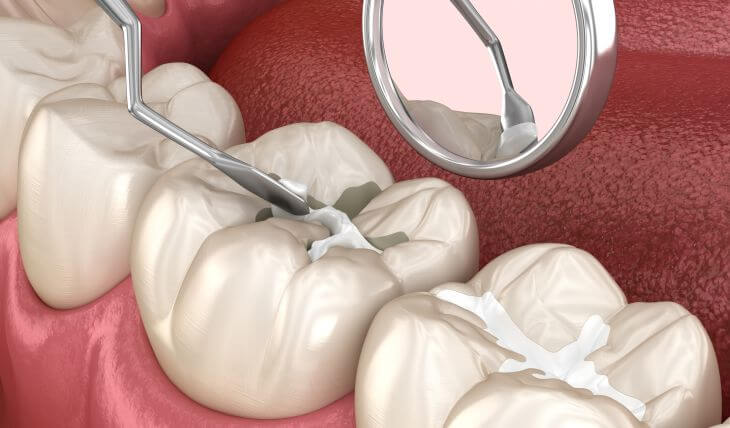
Amalgam Filling Removal: A Safer, Healthier Smile
Amalgam filling removal is a dental procedure that replaces old silver-colored fillings with safer alternatives. Many patients seek this service to improve appe...Read More
Understanding Marginal Staining and Longevity
Like any dental restoration, composite fillings may show wear or staining over time. Dentists monitor what is known as the marginal staining progression timeline, which refers to how discoloration develops around the edges of the filling.
Marginal staining usually progresses slowly. In many cases, discoloration becomes noticeable only after several years, depending on diet, oral hygiene, and the composite material used. Early detection allows your dentist to polish or seal the area rather than replace the entire restoration.
Studies show that modern composite materials can last 7–10 years or more, with proper care and routine dental visits. Many patients enjoy even longer results when maintaining strong oral hygiene habits.
What to Expect During a Composite Filling
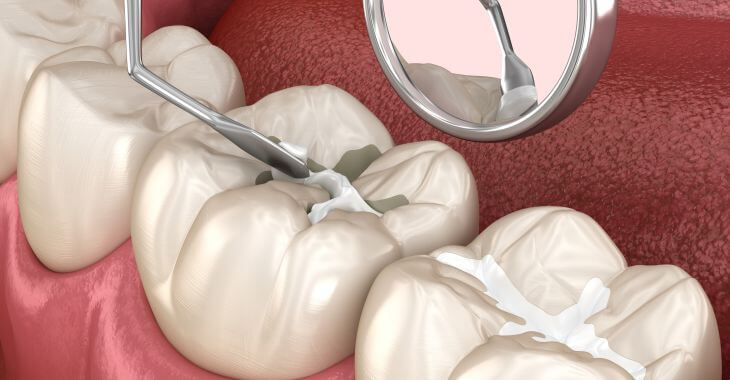
The procedure is simple and usually takes one visit. After numbing the area, the dentist removes decayed or weakened tissue and cleans the cavity carefully. The surface is prepared and a bonding agent is placed to prepare the tooth for the composite material.
Next, the dentist layers and shapes the composite resin. Each layer is hardened with a curing light. Layering helps strengthen the tooth and ensures that the final contour blends with natural enamel.
Once shaped, the restoration is polished for a smooth feel. Most patients return to normal activities immediately. Some mild sensitivity may occur, but usually fades within a few days.
Composite Fillings vs Traditional Amalgam
Composite restorations offer several advantages over silver amalgam fillings. Their natural appearance is the most obvious benefit, but their adhesive strength is just as important for long-term tooth preservation.
Composite fillings do not require as much drilling because they chemically bond to enamel. Amalgam fillings rely on mechanical retention, which often means removing more tooth structure to create a secure fit.
Composites also do not contain metals like mercury. For patients with aesthetic concerns or sensitivity issues, composite provides a more comfortable and attractive alternative.
How to Care for Composite Restorations
Maintaining composite fillings is simple. Good brushing and flossing protect the margins and reduce staining. Avoiding excessive grinding or chewing hard items also helps extend the filling’s lifespan.
Regular dental checkups allow your dentist to monitor the marginal staining progression timeline and identify early changes. Small adjustments or repolishing can extend the life of the filling significantly.
Limiting dark beverages like coffee, tea, or red wine can also reduce surface discoloration. Using a straw may help keep these liquids from contacting the front teeth directly.
A Natural, Durable Choice for Tooth Repair
Composite fillings combine strength, aesthetics, and versatility. With modern materials, improved bonding techniques, and careful IOL-like customization of color and shape, patients enjoy long-lasting repairs that look and feel natural.
Understanding factors like nano-hybrid vs microfill wear patterns and how marginal staining progresses over time helps patients make informed choices. Composite fillings remain a trusted solution for restoring teeth while maintaining a bright, confident smile.
The information provided on this website, including text, graphics, images, and other materials, is intended solely for informational purposes and should not be used as a substitute for professional medical advice, diagnosis, or treatment.


)