Sedation Dentistry: Options, Types, and What to Expect for a Relaxed Dental Experience
For many patients, a trip to the dentist can cause real anxiety. Whether it’s a fear of needles, sensitive teeth, or a bad past experience, dental anxiety is extremely common. That’s where sedation dentistry options or types come in — making modern dentistry calm, safe, and pain-free.
What Is Sedation Dentistry?
Sedation dentistry uses medication to help patients relax during dental procedures. It’s sometimes referred to as “sleep dentistry,” though most patients remain awake and responsive. The goal is to ease fear, reduce discomfort, and make treatment more efficient and stress-free.
Some facts about sedation dentistry:
- Over 40 million Americans avoid dental care due to fear or anxiety.
- Nitrous oxide is the most commonly used sedative in dental practices.
- Studies show that over 90% of patients who use sedation report a positive experience.
- Sedation dentistry can reduce procedure time by up to 30%, as patients are relaxed and cooperative.
Sedation can be used for everything from simple cleanings to complex oral surgeries. According to the American Dental Association (ADA), about 15% of adults in the U.S. — roughly 40 million people — avoid dental visits due to fear or anxiety. Sedation can make dental care accessible to those patients again.
Why Choose Sedation Dentistry?
For patients who experience mild to severe anxiety, sedation dentistry can transform their dental experience. It allows individuals to receive necessary care without fear, discomfort, or panic.
Benefits include:
- Reduced anxiety and increased relaxation
- Minimal memory of the procedure
- Controlled pain and discomfort
- Fewer appointments for extensive treatments
- Safer, more comfortable dental care for all ages
Sedation dentistry is also beneficial for patients with low pain tolerance, sensitive gag reflexes, or difficulty sitting still during long procedures.
Sedation Dentistry Options Types
There are several sedation dentistry options/types designed to match the patient’s needs and the complexity of the treatment. Your dentist will recommend the appropriate level of sedation based on your medical history, anxiety level, and procedure type.
The four primary types of sedation include:
1. Nitrous Oxide (Laughing Gas)
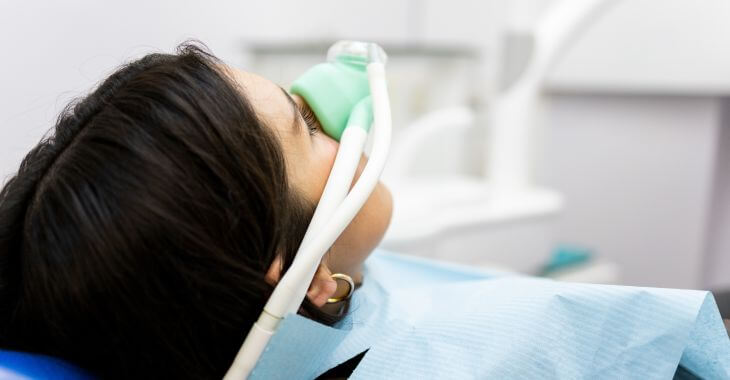
Nitrous oxide is a mild sedative inhaled through a small mask over the nose. It helps patients feel calm and relaxed within minutes. Once the gas is turned off, its effects wear off quickly, allowing most patients to drive home afterward.
2. Oral Conscious Sedation
Oral sedation involves taking a prescribed pill before the procedure, typically a benzodiazepine like diazepam or triazolam. It produces a moderate level of sedation — you remain awake but deeply relaxed and may not remember much of the procedure.
3. IV (Intravenous) Sedation
IV sedation delivers medication directly into the bloodstream for deeper, more controlled sedation. Patients often drift into a sleep-like state while remaining conscious enough to respond to instructions. A trained professional continuously monitors vital signs for safety.
4. General Anesthesia
General anesthesia induces full unconsciousness and is typically used for complex oral surgeries or patients with extreme anxiety or special needs. It is performed under the supervision of an anesthesiologist in a hospital or surgical setting.

Do You Have a Toothache? When to See a Dentist
A toothache can disrupt your work, meals, and even your sleep. While some aches fade with time, others are signals of bigger problems. Knowing when to see a den...Read More
Comparing Sedation Levels
Sedation dentistry isn’t one-size-fits-all. Understanding the different levels helps patients know what to expect before treatment begins.
- Minimal sedation: You feel calm and relaxed but stay fully awake.
- Moderate sedation: You may slur words and not recall much of the procedure.
- Deep sedation: You’re on the edge of sleep but can be easily awakened.
- General anesthesia: You’re completely unconscious throughout.
Each level has a unique purpose, and your dentist will choose the safest and most effective option for your needs.
Safety of Sedation Dentistry
Sedation dentistry is considered extremely safe when administered by trained professionals. Dentists who perform sedation procedures are required to complete specialized certification and use advanced monitoring equipment during every session.
The American Dental Society of Anesthesiology reports that sedation complications are exceedingly rare, with success rates above 99% when proper protocols are followed. Patients are carefully screened for medical conditions, allergies, and medications before any sedation is administered.
Preparing for Sedation
Before your appointment, your dentist will provide instructions tailored to your specific sedation plan. Most patients are asked to avoid food and drink for several hours before moderate or deep sedation. You’ll also need a friend or family member to drive you home afterward.
If you’re taking regular medications or have health concerns such as sleep apnea, high blood pressure, or diabetes, be sure to discuss these with your dentist during your consultation.
Who Can Benefit from Sedation Dentistry?
Sedation dentistry is ideal for patients who:
- Experience dental phobia or anxiety
- Have had traumatic dental experiences in the past
- Require long or multiple procedures in one visit
- Have a strong gag reflex or difficulty getting numb
- Suffer from fear of needles or instruments
- Patients with special needs
Even patients with special healthcare needs or developmental conditions may find sedation dentistry beneficial, allowing them to receive proper care in a comfortable environment.
Post-Sedation Recovery
Recovery time depends on which sedation dentistry options/types are used. Patients who receive nitrous oxide typically feel back to normal within minutes, while those under oral or IV sedation may feel drowsy for several hours.
You’ll be monitored until you’re stable, and your dental team will provide aftercare instructions. Drinking plenty of fluids, resting, and avoiding heavy machinery for 24 hours are standard post-sedation guidelines.
Modern Advances in Sedation Dentistry
Technology and medication have made sedation safer and more effective than ever. Dentists can now tailor sedation to individual tolerance levels, ensuring optimal comfort without unnecessary risk.
Digital monitoring systems track vital signs in real-time, and newer medications allow for quicker recovery times. As a result, more patients are choosing sedation to complete overdue dental work or complex cosmetic treatments with ease.
Explore Your Sedation Dentistry Options
With modern sedation dentistry options and types, fear no longer has to keep you from achieving a healthy, beautiful smile. From mild nitrous oxide relaxation to full general anesthesia, today’s sedation methods are safe, customizable, and designed to make every visit comfortable and stress-free.

If you’ve been avoiding the dentist due to anxiety or discomfort, talk to your dental provider about which sedation option is right for you. A calm, confident dental experience is possible — and your oral health will thank you for it.
The information provided on this website, including text, graphics, images, and other materials, is intended solely for informational purposes and should not be used as a substitute for professional medical advice, diagnosis, or treatment.


)