The Power of Balanced Bite Alignment: Why It Matters More Than You Think
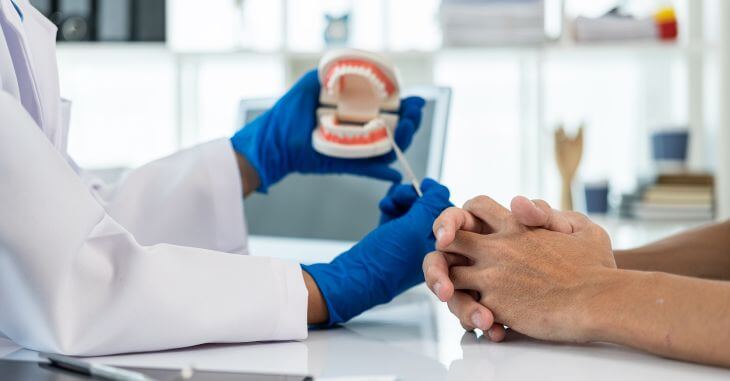
Bite alignment affects far more than the way your smile looks. It influences how you chew, speak, and even how your jaw joints function. When teeth and jaws do not align properly, everyday activities can place uneven stress on the mouth and surrounding muscles.
Malocclusion, or improper bite alignment, is common. Studies suggest that nearly 50 to 75 percent of people have some degree of misalignment. While not all cases require treatment, moderate to severe bite issues can contribute to long-term dental and joint problems.
What Is Bite Alignment?
Bite alignment refers to how the upper and lower teeth fit together when the mouth closes. In an ideal bite, upper teeth slightly overlap the lower teeth, and molars meet evenly. This balanced contact distributes chewing forces properly.
When alignment is off, certain teeth absorb more pressure than others. Over time, this uneven force can lead to enamel wear, gum recession, or cracked teeth. Jaw discomfort and headaches may also develop due to muscle strain.
Common Types of Bite Problems
Bite issues vary in severity and presentation. Orthodontists classify these problems into categories based on jaw relationship and tooth positioning.
Common bite concerns include:
- Overbite
- Underbite
- Crossbite
- Open bite
- Crowding or spacing
Each type affects chewing efficiency and long-term oral health differently. Early evaluation can prevent worsening misalignment as children grow and adult teeth settle.
The Impact on Jaw Health
The jaw joints, known as the temporomandibular joints, rely on proper alignment to function smoothly. When teeth do not meet correctly, the joints may compensate. This can lead to clicking, stiffness, or chronic jaw pain.
Research shows that people with significant malocclusion are more likely to experience temporomandibular joint discomfort. While not every bite issue leads to TMJ problems, alignment plays an important role in joint stability.
Orthodontic Treatment and Stability
Braces and clear aligners are common tools used to correct bite alignment. Treatment times vary, but most orthodontic plans last between 12 and 24 months. Advances in technology have improved comfort and predictability.
After active treatment, retainers are essential. Teeth naturally shift over time, and relapse can occur without consistent retention. This is particularly important in cases involving open bites or significant vertical corrections.

How to Get an Edge-to-Edge Bite: Smile with Confidence
Achieving an edge-to-edge bite is a key factor in promoting oral health and enhancing the aesthetics of your smile. A proper bite ensures that your upper and lo...Read More
Understanding Posterior Open Bite Relapse Causes
Posterior open bite relapse causes are often multifactorial. A posterior open bite occurs when the back teeth fail to make contact after treatment. This can develop if muscle patterns, tongue posture, or growth changes influence tooth positioning.
Other contributing factors may include incomplete settling of the bite, inconsistent retainer use, or parafunctional habits like grinding. Identifying posterior open bite relapse causes early allows for timely intervention and prevents further complications.
Orthodontic follow-up appointments play a critical role in monitoring stability. Minor corrections may be easier to address soon after treatment rather than years later.
The Role of Elastics in Bite Correction
Orthodontic elastics are often used to adjust jaw relationships and improve bite alignment. These small rubber bands apply a steady force to guide teeth into the proper position. Their effectiveness depends heavily on consistent wear.
Research has shown measurable elastics force loss after 24h of continuous wear. This means the strength of the rubber band decreases significantly within a single day. For this reason, patients are typically instructed to replace elastics daily.
Failing to change elastics as directed can slow progress and affect final bite stability. Consistent replacement helps maintain the intended force levels and supports predictable movement.
Long-Term Benefits of Proper Alignment
Correcting bite alignment offers more than cosmetic improvement. Balanced bites help distribute chewing forces evenly, reducing excessive wear on individual teeth. This can lower the risk of fractures and costly restorative procedures.
Additional benefits include:
- Improved chewing efficiency
- Reduced jaw muscle strain
- Better speech clarity
- Lower risk of gum recession
- Enhanced overall oral hygiene
Straight, well-aligned teeth are also easier to clean. Proper alignment reduces tight overlaps and hard-to-reach areas where plaque can accumulate.
Bite Alignment Across the Lifespan
Bite issues are not limited to children or teenagers. Many adults pursue orthodontic treatment to correct longstanding concerns or shifting that occurs with age. In fact, adults now make up a growing percentage of orthodontic patients.
Teeth can shift due to aging, missing teeth, or gum disease. Even small changes may alter how the bite functions. Regular dental checkups allow providers to identify alignment concerns before they worsen.
Prevention and Monitoring
Maintaining bite alignment requires ongoing attention. Retainers should be worn as prescribed, even years after treatment. Minor adjustments may be recommended if small shifts are detected.
Healthy habits also matter. Avoiding nail biting, managing teeth grinding, and addressing airway or tongue posture concerns can support long-term stability. Awareness of posterior open bite relapse causes and proper elastic use helps maintain orthodontic results.
Bite alignment influences comfort, function, and oral health in ways many people underestimate. From childhood development to adult orthodontic care, balanced occlusion supports lasting dental wellness.

Understanding how forces work, including elastics force loss after 24h, empowers patients to follow instructions closely. With careful monitoring and professional guidance, a stable, comfortable bite can last a lifetime.
The information provided on this website, including text, graphics, images, and other materials, is intended solely for informational purposes and should not be used as a substitute for professional medical advice, diagnosis, or treatment.

)