Understanding Risks, Warning Signs, and Solutions for Implant Complications
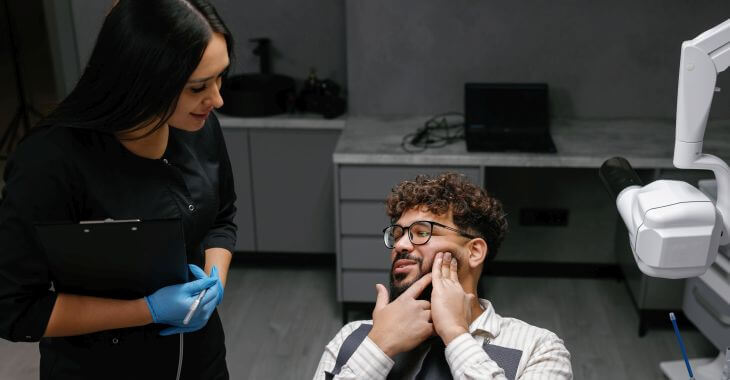
Dental implants are widely considered one of the most reliable solutions for replacing missing teeth. With long-term success rates often reported between 90–95%, they offer durability, function, and a natural appearance that closely mimics real teeth.
Despite their high success rate, implant complications can still occur. Being informed about potential risks, early warning signs, and treatment options can help patients protect their oral health and extend the life of their implants.
What Are Implant Complications?
Implant complications refer to any issue that interferes with the function, stability, or health of a dental implant. These complications can occur shortly after placement or develop years later, depending on a variety of factors.
Some complications are minor and manageable, while others may threaten the longevity of the implant. Understanding the difference between normal healing and potential problems is essential for early intervention.
Why Implant Complications Occur
There are several factors that can contribute to implant complications. These can be related to the procedure itself, the patient’s overall health, or long-term maintenance habits.
Common causes include:
- Poor oral hygiene leading to bacterial buildup
- Smoking, which reduces blood flow and healing capacity
- Uncontrolled conditions like diabetes
- Improper placement or alignment of the implant
- Insufficient bone density or support
Research shows that smokers may have up to double the risk of implant failure compared to non-smokers. This highlights how lifestyle choices can significantly affect outcomes.
Early vs Late Peri-Implantitis Markers
One of the most important implant complications is peri-implantitis, an inflammatory condition affecting the tissues surrounding an implant. Recognizing early vs late peri-implantitis markers is critical for preventing long-term damage.
Early markers may include:
- Red or swollen gum tissue around the implant
- Bleeding during brushing or dental exams
- Mild discomfort or sensitivity
Late markers often indicate more serious progression, such as:
- Bone loss visible on X-rays
- Pus or infection around the implant site
- Increased pocket depth around the implant
- Implant looseness or instability
Studies suggest that peri-implantitis may affect up to 20% of implant patients over time. Early detection allows for more conservative treatment and better outcomes.
Understanding Thread Exposure Progression
Thread exposure progression is a key visual sign of implant complications. Dental implants are designed with threads that anchor securely into the jawbone, but these threads should remain covered by bone and gum tissue.
When bone loss occurs, the threads can become exposed. This progression typically happens gradually and may not cause immediate pain, making it easy to overlook without regular checkups.
Visible thread exposure often signals that the implant is losing support. If left untreated, this can lead to further bone loss and eventual implant failure. Monitoring this progression is essential for long-term implant success.

Dental Implant: Bump on Gum Complication
Dental implants have changed and improved the options for replacing missing teeth. The success rate of dental implants is very high – usually above 95%. Howev...Read More
Symptoms That Should Not Be Ignored
Many implant complications begin with subtle symptoms that worsen over time. Being aware of these signs can help you seek care before the issue becomes more serious.
Common warning signs include:
- Persistent gum inflammation around the implant
- Bleeding or tenderness during brushing
- A bad taste or odor that does not go away
- Changes in how the implant feels when biting or chewing
- Noticeable thread exposure progression
If any of these symptoms occur, it is important to schedule a dental evaluation as soon as possible.
The Role of Prevention and Maintenance
Preventing implant complications starts with consistent care and routine dental visits. While implants do not develop cavities, the surrounding tissues are still vulnerable to infection and inflammation.
Key prevention strategies include:
- Brushing twice daily with proper technique
- Flossing or using interdental tools designed for implants
- Attending regular dental cleanings and exams
- Avoiding tobacco use
- Managing underlying health conditions
Studies show that patients who maintain regular professional care have significantly lower rates of peri-implant disease. Prevention is always more effective than treatment.
Treatment Options for Implant Complications
Treatment for implant complications depends on how early the issue is detected. Early-stage problems are often easier to manage and may not require invasive procedures.
Treatment options may include:
- Professional deep cleaning to remove bacterial buildup
- Antibiotic therapy to control infection
- Laser treatments to disinfect the area
- Surgical procedures to repair damaged tissue
- Bone grafting to restore lost bone support
In advanced cases, implant removal may be necessary, though this is typically considered a last resort. The goal is always to preserve the implant whenever possible.
Long-Term Outlook and Patient Awareness
While implant complications can be concerning, they are often manageable with early detection and proper care. Advances in dental technology and treatment techniques continue to improve outcomes for patients.
Awareness plays a key role in long-term success. Understanding early vs late peri-implantitis markers and recognizing thread exposure progression can help patients take action before problems escalate.
With proper maintenance, many implants can last decades, providing both functional and aesthetic benefits.
Protecting Your Investment
Dental implants represent a significant investment in your health and confidence. Taking proactive steps to prevent implant complications helps ensure that the investment lasts.

By maintaining good oral hygiene, attending regular checkups, and staying alert to warning signs, patients greatly reduce their risk of implant complications. With the right approach, most individuals can enjoy the full benefits of their implants for many years, often for the rest of their lives.
The information provided on this website, including text, graphics, images, and other materials, is intended solely for informational purposes and should not be used as a substitute for professional medical advice, diagnosis, or treatment.



)